
Services
ADAS Guides
What is ADAS Calibration? The complete beginner's guide to Advanced Driver Assistance Systems How Much Does ADAS Calibration Cost? Pricing breakdown by service type — no surprises ADAS Calibration After Windscreen Replacement Why recalibration is mandatory after new glass How Often Should ADAS Be Calibrated? Manufacturer schedules and when to book How Long Does ADAS Calibration Take? Typical durations per service and what affects them
ADAS calibration is primarily event-driven — you need it after a specific event like a windscreen replacement or collision repair, not on a fixed schedule like a service interval.
However, there are scenarios where proactive calibration checks make sense. This guide explains when calibration is required versus recommended, and how to stay on top of your vehicle's ADAS health.
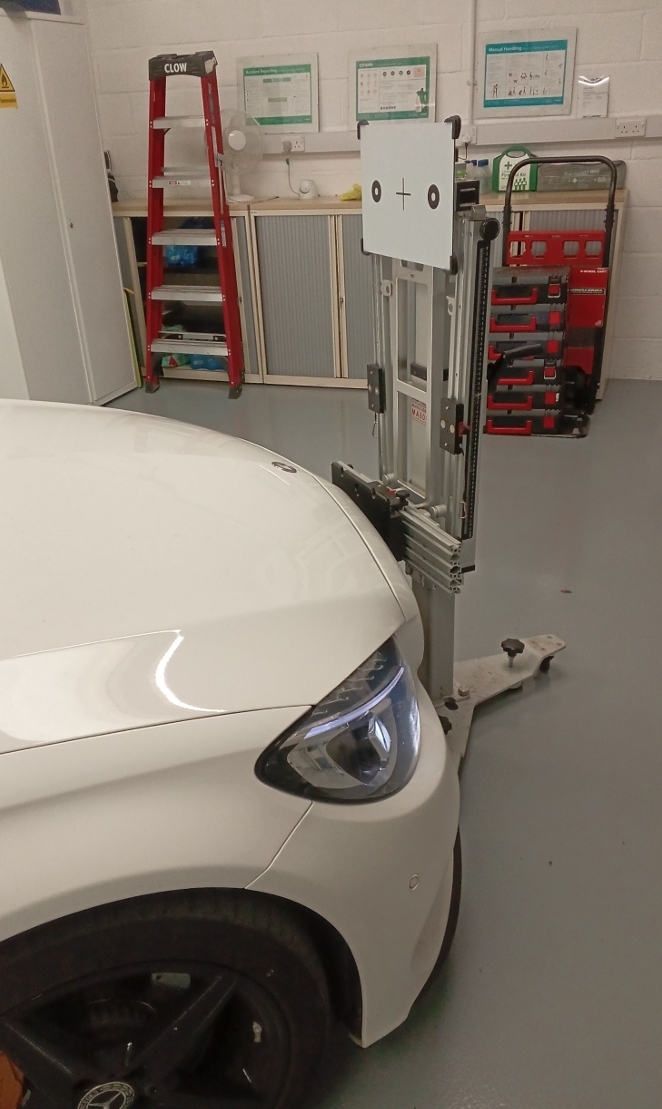
There is no universal annual calibration requirement for ADAS systems — unlike MOTs or service intervals. Calibration is triggered by specific events that are known to affect sensor alignment. Understanding these triggers is the key to knowing when you need a calibration.
Windscreen replacement: any windscreen change requires forward-camera recalibration, regardless of vehicle age or mileage. Collision repair: any impact significant enough to require bodywork will likely need calibration of the sensors in that area. Bumper or grille removal: removing the front bumper for any reason (including cosmetic repairs) requires radar recalibration. Suspension or wheel alignment work: some manufacturers require camera recalibration after alignment changes that affect ride height or wheel geometry. ADAS warning light: any persistent dashboard warning related to a safety assist system requires a diagnostic and likely calibration.
If any of these events apply to your vehicle, calibration is required — not optional. The manufacturer specifies this in the vehicle service documentation.
While ADAS calibration is primarily event-driven, industry bodies including Thatcham Research and the ADAS Group recommend a calibration verification check every 12 to 24 months for high-mileage vehicles (over 20,000 miles per year).
The rationale is that ADAS sensors can experience gradual drift from vibration over high mileage — too slow to trigger a warning light, but enough to affect accuracy. A calibration check costs a fraction of a full calibration and can identify whether a sensor has drifted beyond tolerance.
Some manufacturers include ADAS calibration checks as part of the recommended service schedule. Mercedes-Benz, BMW, and Volkswagen Group vehicles often specify calibration checks after major service intervals involving suspension or alignment work.
Toyota and Lexus vehicles with the Toyota Safety Sense system require recalibration after specific repairs defined in their Repair Operations Manual. Always check your manufacturer's service documentation or ask your technician to verify the calibration requirements for your specific model.
For fleet operators and high-mileage drivers, a proactive approach to ADAS calibration is both safer and more cost-effective. Undetected calibration drift on a fleet vehicle creates liability exposure and increases the risk of ADAS-contributed incidents.
Many fleet operators include a calibration verification in their annual safety inspection programme. We offer trade accounts with priority scheduling and consolidated invoicing for fleet operators managing regular calibration requirements.
Some vehicles require ADAS recalibration or a system reset after the 12V battery is disconnected or replaced. This affects vehicles where calibration data is stored in the battery management system or where the ECU resets after power loss.
BMW, Mercedes, and certain Audi models are known to exhibit this behaviour. If you notice ADAS warnings appearing after battery work, a diagnostic scan will confirm whether recalibration is needed.
Not sure whether your vehicle is due for ADAS calibration? We can check your vehicle's specification and history to advise on what is needed.
Answers to frequently asked questions on this topic
There is no legislation specifying a mandatory calibration interval for ADAS systems. Calibration is required after trigger events, and manufacturers specify their own requirements in service documentation. The DVSA does not currently mandate periodic ADAS calibration checks as part of the MOT, though this is expected to change as ADAS becomes more prevalent in the national fleet.